Sicily, Italy
Insider’s Travel Guide
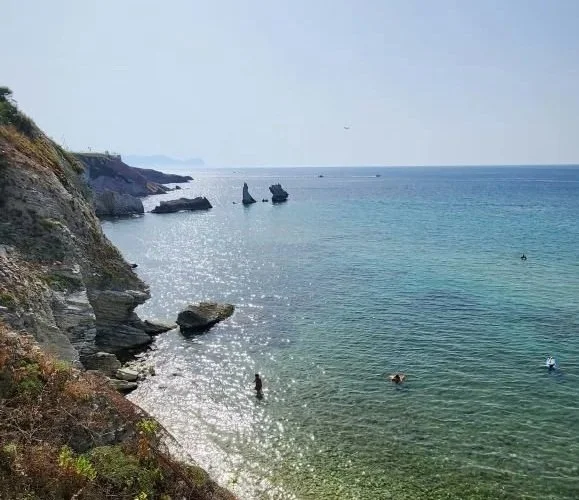
Sicily has a way of captivating travelers from the moment they arrive. As the largest island in the Mediterranean, it offers an incredible mix of turquoise beaches, dramatic volcanic landscapes, ancient ruins, charming villages, and vibrant cities.
Its rich history is reflected everywhere—from Greek temples and Roman ruins to Baroque towns and architecture shaped by the many cultures that have called the island home. And then there’s Mount Etna, Europe’s largest active volcano, rising above a landscape filled with vineyards, olive groves, and picturesque towns.
Food is another reason to fall in love with Sicily. Fresh seafood, seasonal produce, handmade pasta, local cheeses, and iconic sweets are deeply connected to the island’s culture and traditions. Every region has its own specialties, making Sicily as rewarding to explore through its food as through its landscapes.
Whether you’re looking for slow days by the sea, beautiful countryside, wine experiences, fascinating history, or authentic local experiences, Sicily offers something for every kind of traveler. From well-known highlights to quieter corners, there’s always another place worth discovering.
Currency: The currency is the Euro (€). Cards are accepted almost everywhere, but carrying some cash is still useful for smaller shops and markets. Tipping isn’t required, although rounding up the bill or leaving around 5–10% for great service is always appreciated.
Language: Italian is the official language, and English is widely spoken in hotels, restaurants, and popular tourist areas. In smaller towns and more local establishments, English may be limited, so knowing a few Italian phrases can make your experience easier — and locals will often appreciate the effort. You may also hear Sicilian, a distinct regional language and dialect with influences from the island’s rich history.
Airports: Palermo Falcone-Borsellino Airport (PMO), Trapani Vincenzo Florio Airport (TPS) and Catania Vincenzo Bellini Airport (CTA).
Getting around: Sicily offers more flexibility when it comes to getting around. Trains and buses connect many of the major cities and coastal areas, making public transportation a good option for routes such as Palermo–Cefalù or Catania–Taormina. For smaller towns, countryside stays, wineries, archaeological sites, and more remote areas, renting a car can be the most convenient option.
Best time to visit: Sicily’s low season runs from October to April, when temperatures are cooler and some beach and outdoor activities may be less enjoyable. The high season is from June through mid-September, bringing long sunny days and ideal beach weather—but also larger crowds, particularly in popular destinations such as Taormina. For a good balance of pleasant weather, fewer crowds, and a more relaxed experience, consider visiting in May, early June, late September, or early October.
How long should you stay? At least 7 to 10 days is ideal for experiencing a good mix of Sicily’s highlights while allowing time to relax and enjoy the slower pace of island life.
Local food & drink
Arancini: deep-fried cheese-and-rice balls
Cannoli: ricotta-filled fried pastry dough
Sfinciuni: flatbread pizza
Cassata: sponge cake soaked in Marsala wine and layered with ricotta
Caponata: a medley of eggplant and other vegetables, seasoned with olives and caper
What to wear: Bring lightweight, breathable pieces you can easily wear from sightseeing to beach days.
A few local tips to know:
ZTL zones: Many historic centres restrict cars. Check parking and traffic signs carefully.
Parking: Blue lines usually mean paid parking; white lines generally indicate free parking.
Beach rules: Smoking restrictions vary by beach, so check local signs.
Midday closures: Smaller shops and businesses may close for a few hours in the afternoon.
Cash: Keep some euros handy for markets, small cafés and local vendors.
Driving: Roads can be narrow and busy, especially in historic towns. Allow extra time and avoid rushing.
Cell service: Download offline maps before heading into rural or mountainous areas.
Dinner time: Locals tend to eat later, with dinner often starting around 8 p.m. or later.
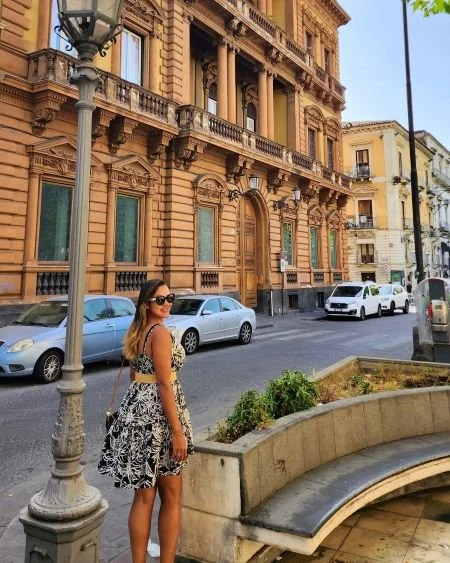
Northern Sicily: Palermo & the Aeolian Islands
If you’re looking for a side of Sicily that blends vibrant city life, fascinating history, and dramatic island landscapes, northern Sicily is a beautiful place to explore.
Start in Palermo, Sicily’s lively capital, where centuries of history have left their mark on every corner. Founded by the Phoenicians and later shaped by the Carthaginians, Romans, Arabs, Normans, and other cultures, Palermo is a fascinating mix of influences. Wander through its historic streets, admire its architecture, and explore its bustling markets for a true taste of Sicilian life.
Then, head out to the Aeolian Islands, a stunning volcanic archipelago scattered across the Tyrrhenian Sea. One of the most distinctive is Vulcano, just off Sicily’s northern coast. With its volcanic landscape, rugged scenery, and unmistakable character, the island offers a completely different experience from Palermo — and a memorable way to experience Sicily beyond the mainland.
Where to stay in Palermo & the Aeolian Islands
Villa Igiea, a Rocco Forte Hotel – 5-star hotel
A gorgeous 19th-century palazzo overlooking the sea, surrounded by beautiful gardens. It combines historic Sicilian character with the polished service you'd expect from Rocco Forte.
When you book through me, you may receive exclusive Fora VIP partner perks: $100 resort credit, daily breakfast, a potential room upgrade, extended check-in/out and other exclusive benefits.
Therasia Resort – 5-star hotel
Located on Vulcano, this stylish 60-room resort is ideal if you're looking for a quieter island escape. Think beautiful sea views, wellness, great food and plenty of time to slow down.When you book through me, you may receive exclusive Fora VIP partner perks: $50 hotel credit, daily breakfast, a potential upgrade and extended check-in/out.
What to do in Palermo & the Aeolian Islands
Start with Palermo's markets. Ballarò, Capo and Vucciria are full of local energy, fresh produce, seafood and classic Sicilian street food. They're a great way to experience the city beyond the main tourist attractions.
For architecture and history, make time for Palermo Cathedral, Monreale Cathedral and the Palazzo dei Normanni. And if you're a fan of performing arts, don't miss Teatro Massimo, one of Italy's most impressive opera houses.
For something completely different, spend a day on Vulcano. Explore the island's volcanic landscape, then unwind with its famous mineral-rich mud and thermal waters.
Where to eat in Palermo
MEC Restaurant: Michellin starred in historic palazzo near Palermo Cathedral with a contemporary Sicilian cuisine and a good choice for a special dinner.
A'Cuncuma Restaurant: Fine dining with creative, contemporary interpretations of Sicilian cuisine. Particularly interesting if you want a tasting-menu experience.
Osteria Mercede: Seafood-focused Sicilian osteria near Teatro Politeama. More relaxed and local-feeling than fine dining.
Enosteria Sicula: Contemporary Sicilian cooking with a strong wine focus; a nice option for an elegant but not overly formal dinner.
La Galleria: Charming option in the historic centre, close to the Cathedral, with Sicilian dishes and outdoor tables in a little pedestrian alley.
Trattoria Ai Cascinari: Traditional, casual Sicilian food and particularly good if you want something less expensive and more authentic-feeling.
Trattoria Altri Tempi: a charming and authentic Sicilian cooking in a relaxed setting. It’s a great spot to experience classic local flavours and hearty home-style cooking away from the more touristy dining scene.
Alle Terrazze: A stylish beachfront restaurant offering creative Mediterranean cuisine, with a strong focus on fresh seafood and local ingredients, in an elevated dining setting.
Where to eat in Aeolian Islands
Signum – Malfa, Salina: a Michelin-starred restaurant at Hotel Signum with a focus on Sicilian/Aeolian ingredients. It’s excellent if you are looking for a high-end gastronomic experience.
Nni Lausta – Santa Marina Salina: is a more relaxed seafood choice and is included in the Michelin Guide's current selection.
Filippino, Lipari: One of Lipari's historic restaurants, operating since 1910, with seafood and traditional Aeolian/Sicilian cuisine. It's also in the Michelin Guide selection.
Trattoria del Vicolo, Lipari: More casual and traditional, also Michelin-selected.
Osteria San Bartolo, Lipari: Popular local option for Italian/seafood cuisine, with particularly strong traveler reviews.
Tenerumi, Vulcano: It's an entirely plant-based tasting experience created around volcanic-island ingredients.
Il Cappero, Vulcano: Also at Therasia Resort and Michelin-starred, with Mediterranean cuisine and a more conventional fine-dining approach.
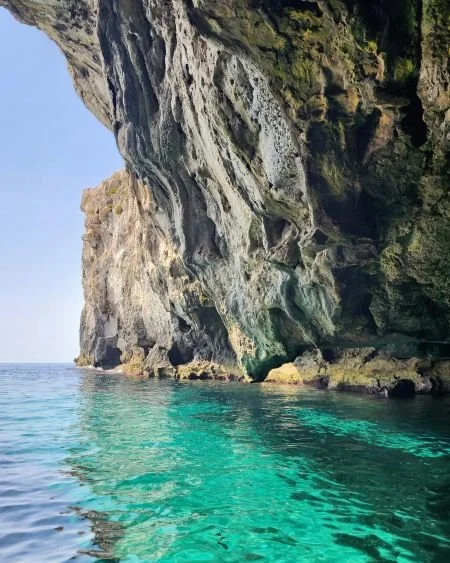
Eastern Sicily: Syracuse, Taormina & Noto
Sicily’s eastern coast stretches along the beautiful Ionian Sea, where ancient history, elegant towns, dramatic landscapes, and coastal beauty come together.
Begin in Syracuse, one of Sicily’s most fascinating historic cities. Founded by the ancient Greeks, it eventually became one of the most important Greek cities in the Mediterranean. At its heart is Ortigia, a charming island filled with winding streets, beautiful piazzas, historic buildings, and lively restaurants.
Further north, Taormina has long been one of Sicily’s most captivating destinations. Perched dramatically above the sea at the foot of Mount Etna, its beautiful views and romantic atmosphere have made it a favorite with travelers for generations—and its appearance in The White Lotus brought even more attention to this already-iconic town.
Then there’s Noto, a true gem of southeastern Sicily. Known for its stunning Baroque architecture and recognized as a UNESCO World Heritage Site, the town makes an easy and worthwhile day trip from either Syracuse or Taormina.
Where to stay in Syracuse, Taormina & Noto
Grand Hotel Timeo, A Belmond Hotel – 5-star hotel
An iconic Taormina address with timeless Sicilian elegance and spectacular views of Mount Etna and the sea.
When you book through me, you may receive exclusive Fora VIP partner perks: welcome amenities, daily breakfast, and a room upgrade, subject to availability.
Villa Sant’Andrea, A Belmond Hotel – 5-star hotel
A sophisticated beachfront retreat surrounded by lush gardens, perfect for a more relaxed seaside stay.
When you book through me, you may receive exclusive Fora VIP partner perks: welcome amenities, daily breakfast, and a room upgrade.
Country House Villadorata – 4-star hotel
Set on a sprawling 23-acre estate near Noto, this peaceful country retreat combines beautiful gardens, a relaxed atmosphere, and a focus on sustainability.
When you book through me, you may receive exclusive Fora VIP partner perks: welcome amenities, daily breakfast, and a room upgrade, subject to availability.
Zahir Country House – 3-star hotel
A charming farmhouse-style hideaway surrounded by the Sicilian countryside near Noto.When you book through me, you may receive exclusive Fora VIP partner perks: €20 hotel credit, welcome amenity, room upgrade, and late check-out.
San Domenico Palace, Taormina, A Four Seasons Hotel – 5-star hotel
Housed in a beautifully restored 14th-century convent, this iconic property combines historic character with the refined service of Four Seasons.
Reach out for additional hotel recommendations to suit your travel style and budget.
What to do in Syracuse, Taormina & Noto
Ortigia: Wander through Syracuse’s historic island, filled with elegant palazzi, charming shops, lively markets, and ancient ruins, including the Temple of Apollo.
Neapolis Archaeological Park: Discover some of Sicily’s most impressive Greek and Roman ruins, including the ancient Greek Theater, the Ear of Dionysius, and the monumental Altar of Hiero II.
Taormina: Explore this picturesque hilltop town, perhaps by ape calessino, and visit its spectacular ancient Greek Theater overlooking the sea and Mount Etna.
Mount Etna: Experience Europe’s iconic active volcano, from its rugged landscapes and volcanic terrain to the vineyards that thrive in its mineral-rich soil.
Noto: Admire the city’s beautiful golden Baroque architecture, including its magnificent cathedral and elegant historic palazzi.
Palazzo Castelluccio: Step inside this beautifully preserved 18th-century aristocratic residence for a glimpse into Noto’s history and noble past.
Sergio Fiorentino Studio: Visit the intimate studio of contemporary Sicilian artist Sergio Fiorentino for a more personal and creative side of Sicily, with visits arranged through Belmond’s Villa Sant’Andrea.Where to eat in eastern Sicily
Where to eat & drink in Syracuse, Taormina & Noto
Gran Caffè del Duomo, Siracuse: A historic café and restaurant overlooking Syracuse Cathedral in the heart of Ortigia’s beautiful Piazza Duomo. It’s worth stopping by for a coffee, aperitivo, or meal while enjoying one of Sicily’s most spectacular Baroque squares and its lively atmosphere.
Morgana, Taormina: A stylish cocktail bar known for creative drinks, vibrant energy, and a lively atmosphere, making it a fun spot for an evening out.
Malvasia, Taormina: A relaxed restaurant offering simple, flavorful Italian and Sicilian dishes in a welcoming setting.
Trattoria da Ugo, Taormina: A casual trattoria serving traditional Italian fare, ideal for an unfussy and authentic meal.
I Rizzari – Brucoli: A laid-back seaside taverna near Syracuse where you can enjoy fresh local cuisine and a relaxed meal by the water.
Caffè Sicilia, Noto: A legendary Sicilian café famous for its pastries, gelato, and beautifully crafted desserts featuring traditional local flavors.
Tenuta delle Terre Nere, Mount Etna : A renowned winery on the slopes of Mount Etna where you can taste wines shaped by the volcano’s unique terroir, along with local extra virgin olive oil and honey.
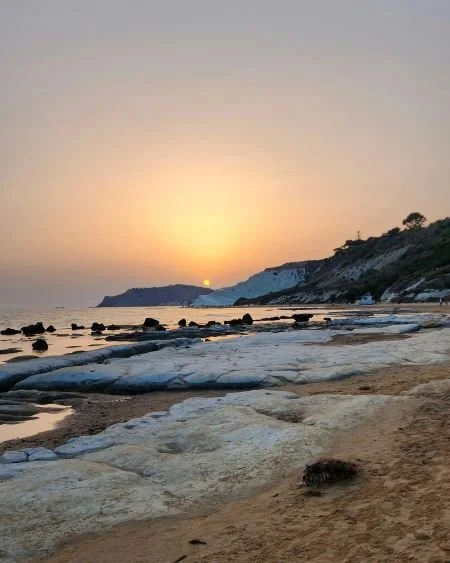
Western Sicily: Sciacca & Agrigento
Sicily’s western coastline — stretching down toward the island’s southwestern corner — is a captivating mix of picturesque towns, beautiful beaches and fascinating ancient sites. Facing the Strait of Sicily, the waters separating Sicily from Tunisia, this less-explored part of the island offers plenty to discover, with Agrigento and Sciacca standing out as two particularly rewarding stops.
Where to stay in Sciacca & Agrigento
Verdura Resort, A Rocco Forte Hotel – 5-star hotel
Set along the coast, this expansive luxury resort combines beautiful surroundings with a renowned spa, exceptional dining and a wide range of curated experiences.
When you book through me, you may receive exclusive Fora VIP partner perks: $100 resort credit, daily breakfast, room upgrade, extended check-in and check-out, plus additional exclusive benefits.
Villa Athena Resort – 5-star hotel
A refined boutique retreat set beside Agrigento’s extraordinary archaeological sites, making it an ideal base for exploring the Valley of the Temples.
When you book through me, you may receive exclusive Fora VIP partner perks: $50 hotel credit, room upgrade and extended check-in and check-out.
Antica Perla Residence Hotel – 4-star hotel
A beachfront residence hotel near Agrigento, offering a relaxed seaside setting with an outdoor pool, balconies, and many rooms with kitchenettes and sea views. It’s a convenient base for exploring the Valley of the Temples, about 7–8 km away, while still giving travelers the option to enjoy a quieter beachside stay.
What to do in Sciacca & Agrigento
Scala dei Turchi: Admire one of Sicily’s most beautiful coastal landscapes, where bright white limestone cliffs meet the turquoise waters of the Mediterranean. The striking contrast between the white rock and deep blue sea makes this a memorable stop for incredible views and photos.
Agrigento & the Valley of the Temples: Step into Sicily’s ancient past at this UNESCO World Heritage Site, home to a remarkable collection of Greek temples and ruins. The remarkably preserved Doric temples are the highlight and offer an unforgettable glimpse into the island’s classical heritage.
Sciacca: Known for its natural sulphur springs and long-standing spa tradition, Sciacca is a wonderful place to slow down and unwind. Wander through its charming streets, admire the colorful fishermen’s houses and visit the ornate 14th-century Chiesa di Santa Margherita. If you visit before Lent, the town also comes alive with its famous Carnival, filled with parades, food and celebrations.
Where to eat in Sciacca & Agrigento
Carusu: Located near the Valley of the Temples, this restaurant offers a more refined interpretation of Sicilian cuisine in a beautiful setting.
Liolà: A colorful and welcoming trattoria at Verdura Resort, serving comforting Italian favorites such as pizza and pasta.
Amare: Verdura’s romantic beachfront restaurant, specializing in fresh seafood and Mediterranean flavors with beautiful ocean views.
Granita Bar: A stylish spot at the resort for Mediterranean-inspired small plates, drinks and a relaxed aperitivo.
Zagara: An elegant dining option at Verdura, featuring seasonal cuisine inspired by Sicily’s exceptional local produce.
History and culture
Sicily’s rich history reflects its role as a crossroads of Mediterranean civilizations, including the Greeks, Romans, Arabs, Normans, and Spanish. Their influence can be seen in the island’s architecture, art, traditions, and cuisine.
Ancient Greek heritage shines in Agrigento, Syracuse, and Selinunte, while Palermo, Monreale, and Cefalù showcase a fascinating blend of Norman, Byzantine, and Arab influences.
Sicilian culture also comes alive through religious festivals, local traditions, and, of course, its cuisine—from arancini and pasta alla Norma to cannoli and granita.
Cultural celebrations & events
Festa di Sant’Agata (February): Catania’s major religious celebration, featuring spectacular processions and thousands of participants.
Infiorata di Noto (May): Noto’s streets are decorated with intricate floral carpets celebrating art and local traditions.
Taormina Film Festival (June): An international film event held in the beautiful setting of Taormina.
Festa di Santa Rosalia (July): Palermo’s largest annual celebration, honoring the city’s patron saint with processions, music, and festivities.
Ottobrata Zafferanese (October): A popular autumn festival near Mount Etna celebrating local food, wine, honey, crafts, and seasonal produce.
Festa di Santa Lucia (December 13): Syracuse honors its patron saint with religious celebrations and processions, particularly around Ortigia.
Trips to add on
Sicily works beautifully as part of a longer Italian or Mediterranean itinerary. You can easily combine the island with another destination to experience a different side of Italy or add beautiful coastal scenery, city life, or countryside to your trip.
Rome (about 1 hour by flight): Pair Sicily with Italy’s capital for a mix of history, culture, and food. Explore iconic landmarks, charming neighborhoods, and lively piazzas before or after your time in Sicily.
Amalfi Coast (about 1 hour by flight to Naples + 1–2 hours by car): Combine Sicily’s history and diverse landscapes with the dramatic coastline of Positano, Amalfi, and Ravello. A great pairing for Mediterranean scenery, charming towns, and dining with a view.
Tuscany (about 1.5 hours by flight to Florence): Slow things down with a few days in Tuscany. Explore Florence, picturesque hilltop towns, vineyards, and beautiful rolling countryside.
Puglia (about 1 hour by flight to Bari): Experience another side of southern Italy with Puglia’s whitewashed towns, historic masserie, beautiful coastline, and relaxed atmosphere.
Sardinia (about 1 hour by flight): Combine Sicily’s ancient sites and vibrant towns with Sardinia’s stunning turquoise waters and beautiful beaches for a perfect culture-and-beach itinerary.
Malta (about 1 hour 15 minutes by flight): Just across the Mediterranean, Malta adds historic cities, fascinating cultural influences, beautiful coastlines, and crystal-clear waters to your trip.
If not Sicily… where to go?
If you love Sicily for its history, coastline, food, and cultural diversity, these destinations offer a similar sense of discovery—with a distinctly different character.
Puglia, Italy: Think whitewashed villages, olive groves, historic masserie, and a slower pace. It offers the charm of southern Italy with a more intimate, polished feel.
Crete, Greece: A destination for ancient ruins, rugged mountains, hidden beaches, and traditional villages. Its landscapes and cuisine make it especially rewarding for a road trip.
Mallorca, Spain: A blend of Mediterranean beaches, stylish towns, mountain scenery, and vibrant dining. It feels more polished and cosmopolitan, with plenty of upscale resorts.
Malta: Compact, historic, and dramatic, with ancient cities, limestone architecture, spectacular coastlines, and a fascinating mix of European and Mediterranean influences.
Corsica, France: Best known for its rugged beauty—crystal-clear beaches, dramatic mountains, charming villages, and scenic coastal roads. Ideal for travelers who enjoy nature and road trips.
Cyprus: A great choice for sun, history, and warm-weather escapes, combining ancient ruins, golden beaches, mountain villages, and influences from centuries of different civilizations.
