Sardinia, Italy
Insider’s Travel Guide
Sardinia feels like a different side of Italy — and that’s exactly what makes it so special.
Think crystal-clear turquoise waters, soft white-sand beaches, rugged landscapes, and charming villages that seem to move at their own pace. While the glamorous Costa Smeralda is known for luxury resorts and superyachts, some of Sardinia’s best experiences are found far from the crowds.
Head inland and you’ll discover family-run trattorias, mountain trails, and villages where local traditions are still part of everyday life. Along the coast, hidden coves and secluded beaches can be reached only by boat.
Whether you’re looking for a relaxing beach escape, a romantic getaway, a family holiday, or simply a different way to experience Italy, Sardinia has a little bit of everything.
Beautiful landscapes, incredible food, warm hospitality, and plenty of room to slow down — Sardinia is the kind of place that stays with you long after you leave.
Sardinia is a welcoming and easy destination to explore, but a little planning goes a long way. Start by looking at flight options, as international routes can be seasonal and connections may be limited. Once you arrive, slow down, follow the local rhythm, and give yourself time to enjoy the island beyond the main tourist spots.
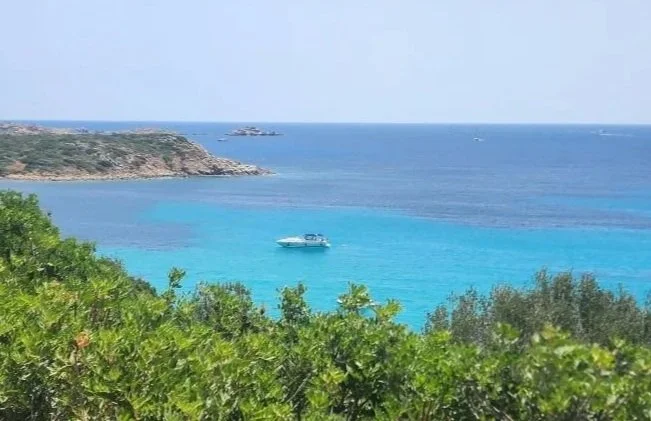
Southern Sardinia
Currency: The currency is the Euro (€). Cards are accepted almost everywhere, but carrying some cash is still useful for smaller shops, markets, beach kiosks, and more rural areas. Tipping isn’t required, although rounding up the bill or leaving around 5–10% for great service is always appreciated.
Language: Italian is the official language, and English is commonly spoken in hotels and more touristy areas. In smaller towns and villages, English may be limited, so knowing a few Italian words can make things easier — and locals will appreciate the effort. You may also hear Sardinian (Sardo), a local language that is still spoken in parts of the island.
Airports: Olbia Costa Smeralda Airport (OLB) is the most convenient choice for northern Sardinia and the Costa Smeralda. Cagliari Elmas Airport (CAG) is better for the south, including Cagliari and the surrounding coastline. From North America, you’ll generally need to connect through Rome, Milan, or another major European city.
Getting around: If you want to visit several areas or explore beyond the main towns, renting a car is your best option. An International Driving Permit is recommended. Roads can be narrow and winding, especially in more remote areas, so allow extra time and enjoy the scenery rather than rushing between stops. Public transportation is available but limited once you leave the larger towns. For airport transfers or getting around without a car, your hotel can usually arrange a taxi or private transfer. In some coastal towns, bikes and scooters are also convenient options.
Best time to visit: Sardinia is at its best when you can enjoy long, sunny days by the sea. May through October is the most popular period, while late spring and early fall offer a great balance of pleasant weather and fewer crowds. Keep in mind that many beach resorts, restaurants, and businesses operate seasonally.
How long should you stay? Four to seven nights is a good starting point if your goal is to relax and enjoy the coast without feeling rushed. If you want to combine multiple beach areas, charming towns, inland villages, or a second hotel base, consider staying longer.
Local food & drink:
Culurgiones: Sardinian pasta parcels traditionally filled with potato, cheese, and mint.
Porceddu: Slow-roasted suckling pig with crispy skin and tender meat.
Pane carasau: Ultra-thin, crispy Sardinian flatbread that pairs beautifully with cheese, olive oil, and local dishes.
Seadas: A traditional fried pastry filled with cheese and finished with honey.
Cannonau: A full-bodied Sardinian red wine that pairs well with hearty local dishes.
Vermentino: A crisp, refreshing white wine that’s especially good with seafood.
Mirto: A myrtle-berry liqueur traditionally served as a digestif after a meal.
What to wear: Beach days are all about light, comfortable clothing and easy cover-ups. In coastal towns, especially in the more upscale areas, you’ll see a slightly more polished style, while inland villages tend to be much more relaxed. Pack breathable clothes for the daytime, something a little dressier for dinner, and a light jacket or sweater for cooler evenings.
A few local tips to know:
Take care of the landscape: Sardinia’s natural beauty is one of its biggest attractions. Stay on marked trails, take your rubbish with you, and follow the rules in protected areas and nature reserves.
Beaches: Most beaches are public and free to access, although some have beach clubs where you can rent loungers and umbrellas. A few beaches might have a small reservation fee. Always check local signage for specific beach rules.
Smoking: Smoking restrictions apply indoors and in certain outdoor public areas. Look for posted signs before smoking.
Midday closures: Don’t be surprised if smaller shops and businesses close for a few hours in the afternoon, often around 1-4 pm. Plan your shopping and errands accordingly.
Driving and navigation: GPS can be less reliable on remote roads and in mountainous areas. Download offline maps before heading out and don’t be afraid to ask locals for directions.
Cell service: Coverage can be spotty in some mountain areas and along remote stretches of coastline. Having offline maps and important reservations saved on your phone is a smart idea.
Local markets: Go earlier in the day for the best selection of fresh produce, bread, cheese, and other local specialties. Many vendors start closing up around lunchtime.
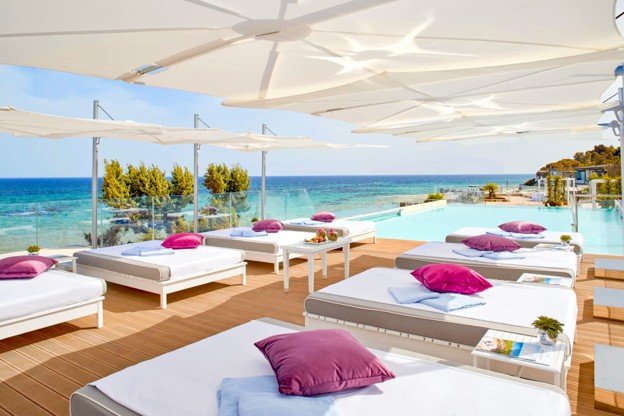
Image courtesy of Forte Village Resort - Villa del Parco & Spa pool editorial
Where to Stay
Northern Sardinia
Northern Sardinia is where beautiful beaches, upscale resorts, and charming coastal towns come together. The Costa Smeralda, with Porto Cervo at its heart, is known for glamorous resorts, beach clubs, and a more polished, jet-set atmosphere.
But there’s more to the north than luxury. Castelsardo feels like stepping into another era, with its medieval old town perched above the sea and dramatic coastal views. Alghero has a completely different personality, influenced by its Catalan heritage, with historic walls, cobblestone streets, and a relaxed atmosphere that makes it easy to wander and stay awhile.
7Pines Resort Sardinia - 5-star resort
Set along a quiet cove near Baja Sardinia, 7Pines combines a contemporary design with a relaxed Mediterranean feel. The resort works especially well for families, with spacious villa-style accommodations, sea views, and easy access to the beach. There’s also an adults-only area for those looking for a little more privacy, although the rooms face toward the pool rather than the sea.
When you book through me, you may receive exclusive Fora VIP partner perks: $100 hotel credit, welcome amenity, daily breakfast, potential room upgrade, and early check-in/late check-out when available.
Romazzino, A Belmond Hotel - 5-star hotel
Originally opened in the 1960s and recently renovated, Romazzino captures the timeless charm that helped put Costa Smeralda on the map. Think whitewashed architecture, beautiful Mediterranean surroundings, thoughtful design, and a relaxed pace. It has that effortless feeling of a classic Italian summer holiday — elegant without feeling overly formal.
When you book through me, you may receive exclusive Fora VIP partner perks: hotel credit, daily breakfast, potential room upgrade, and early check-in/late check-out when available.
Hotel Cala di Volpe, a Luxury Collection Hotel, Costa Smeralda - 5-star hotel
One of Costa Smeralda’s most iconic hotels, Cala di Volpe combines old-school glamour with a fresh, modern touch following its recent refresh. The architecture and grounds are designed to feel like a sophisticated seaside village, while the nearby swimmable beach makes it easy to spend your days by the water. It’s a great choice if you want the full Costa Smeralda experience.
When you book through me, you may receive exclusive Fora VIP partner perks: $100 hotel credit, welcome amenity, daily breakfast, potential room upgrade, and early check-in/late check-out when available.
Reach out for additional hotel recommendations to suit your travel style and budget.
Mountain Region
Sardinia’s mountain region offers a completely different side of the island — quieter, more rugged, and deeply connected to local traditions. Around Oliena, you’ll find dramatic mountain landscapes, excellent local wines, and a strong sense of Sardinian culture. Some traditions are still very much alive here, from baking bread by hand to the local tradition of singing poetry.
This is a part of Sardinia best enjoyed slowly. Spend the day hiking through the mountains, discover ancient trails with a local guide, or simply sit down for a long lunch and enjoy the flavors of the region.
Su Gologone Experience Hotel - 4-star hotel
Surrounded by nature, Su Gologone is a great choice if you want to experience Sardinia beyond its beaches. Hand-painted tiles, colorful textiles, traditional crafts, and wood-burning fireplaces give the hotel a warm, distinctive character. It’s full of personality and proudly rooted in Sardinian culture, making the stay feel much more like an experience than simply a place to sleep.Reach out for additional hotel recommendations to suit your travel style and budget.
Southern Sardinia
Southern Sardinia has a more relaxed and down-to-earth feel. Cagliari, the island’s capital, is full of lively markets, waterfront views, historic streets, and great places to eat, without feeling overly busy or flashy.
Beyond the city, you’ll find long stretches of golden sand and beautiful coastal scenery. Smaller towns like Bosa offer colorful buildings, charming cafés, and a slower pace that makes it easy to simply wander, stop for a coffee, and enjoy the moment.
Forte Village Resort Sardinia
Forte Village feels more like a little seaside village than a traditional resort. With eight different hotels to choose from, there’s an option for different travel styles and budgets, all within the same expansive property.
Stays include half-board, with à la carte lunch options available, and there’s plenty to keep both kids and adults entertained. Think beach time, water slides, go-karts, a petting zoo, sports, and a wide range of activities — so you can easily spend several days here without needing to leave the resort.
When you book through me, you may receive exclusive Fora VIP partner perks: $100 food and beverage credit, daily breakfast, potential room upgrade, and early check-in/late check-out whenever available.
Reach out for additional hotel recommendations to suit your travel style and budget.
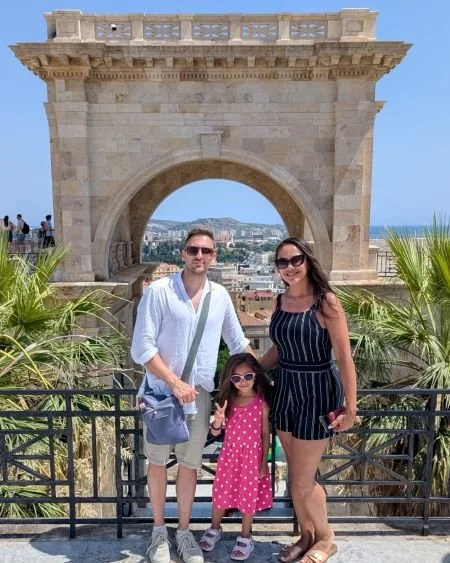
History and culture
Sardinia’s history goes back thousands of years, shaped by ancient civilizations, island traditions, and generations of communities that have fiercely protected their way of life.
Long before the Romans arrived, the island was home to the Nuragic civilization, best known for the mysterious stone towers called nuraghi. You’ll still find thousands of these structures scattered across Sardinia, some standing in the middle of the countryside and others surrounded by small archaeological sites.
Over the centuries, Sardinia was influenced by the Phoenicians, Carthaginians, Byzantines, and Spanish, all of whom left their mark on the island’s architecture, language, food, and traditions. Yet Sardinia has managed to maintain a strong identity of its own, deeply connected to the land, family, religion, and centuries-old customs.
In mountain towns such as Mamoiada and Bitti, traditional festivals bring some of these ancient customs to life. Elaborate masks, music, dancing, and religious celebrations reflect a fascinating mix of pre-Christian traditions and Catholic influences.
Music is another important part of Sardinian culture. Traditional polyphonic singing, with its distinctive deep and layered vocal style, has been passed down through generations and remains an important part of the island’s cultural heritage.
And in places like Barbagia, shepherding traditions are still closely tied to everyday life, from local food production to the landscapes you see throughout the region.
Cultural celebrations & events
Sant’Efisio Festival (May 1–4): One of Sardinia’s most important celebrations takes place in Cagliari. The colorful procession features traditional costumes, flower-covered floats, and beautifully decorated ox-drawn carts.
Cavalcata Sarda (First weekend of May): Held in Sassari, this spectacular celebration brings together hundreds of traditionally dressed riders, horses, musicians, and folk performers in one of the island’s biggest displays of Sardinian culture.
Time in Jazz (July): Held in and around Berchidda, this annual festival combines international jazz performances with outdoor concerts and Sardinia’s beautiful mountain scenery.
Sagra del Redentore (Late July): Taking place in Nuoro, this celebration combines religious traditions with music, dancing, and colorful traditional costumes.
Isola di Tavolara Regatta (August): Held off Sardinia’s northeast coast, this sailing event brings boats and spectators together around the stunning island of Tavolara.
Autunno in Barbagia (September–December): Rather than one single event, this is a series of celebrations held across villages in the Barbagia region. It’s a wonderful opportunity to experience local food, crafts, traditions, and the warm hospitality of Sardinia’s mountain communities.
What to do in Sardinia
Sardinia is about much more than beautiful beaches. From ancient ruins and local traditions to charming villages, art, wine, and outdoor adventures, there’s plenty to discover beyond the coastline. Here are some of the experiences worth adding to your Sardinia itinerary.
Northern Sardinia
Phi Beach: End the day with a sunset at Phi Beach, a stylish spot built around an old military fort. Come for the sea views, stay for the music, cocktails, and lively atmosphere as the sun goes down.
Porto Cervo: Take a stroll through Porto Cervo and browse its boutiques, galleries, and cafés. You’ll find everything from local Sardinian crafts and coral jewelry to designer brands and resort wear.
La Maddalena: Spend a day on the water exploring the La Maddalena Archipelago. Charter a private boat, stop for a swim in secluded coves, and enjoy a picnic surrounded by some of the clearest water in Sardinia.
Wine tasting: Visit Capichera, a family-owned winery known for its Vermentino. The beautiful setting and intimate tastings make it a lovely way to experience Sardinia’s wine culture.
Hiking: Follow the Pevero Health Trail for a combination of nature, sea views, and outdoor art. The trail is relatively peaceful, with plenty of shaded spots to stop and take in the scenery. Early morning is the best time to go, especially during the warmer months.
Porto Rotondo: For a quieter alternative to Porto Cervo, spend some time in Porto Rotondo. Wander around the marina, discover its sculpture garden, and stop at one of the cafés or galleries. The atmosphere is relaxed and understated.
Mountain Region
Orgosolo: Take a walk through Orgosolo, a mountain town famous for its colorful political murals. The walls throughout the historic center turn the village into an open-air gallery and offer a glimpse into Sardinia’s social and political history.
Cooking class: Get hands-on with Sardinian cuisine at Su Gologone. Join a cooking experience where you can learn how to make traditional dishes such as culurgiones and pane carasau in a rustic outdoor setting.
Tiscali: Hike to the ancient Nuragic site of Tiscali, hidden inside a collapsed mountain. The setting is impressive and somewhat mysterious, and going with a local guide can add much more context to the ruins and their history.
Museo delle Maschere: Visit the Museo delle Maschere in Mamoiada to learn about Sardinia’s traditional masks, ancient rituals, and local folklore. It’s a great introduction to the island’s unique cultural traditions.
Wine tasting: Taste Cannonau at Cantina Giuseppe Sedilesu near Oliena, a family-run winery surrounded by beautiful countryside. A private tasting with local bites is a great way to slow down and enjoy the scenery.
Museum of Pastoral Culture: Stop at the Museum of Pastoral Culture in Bitti to learn more about the island’s long-standing shepherding traditions and the role they continue to play in Sardinian culture.
Valle di Lanaitho: Take a scenic drive through the Valle di Lanaitho, surrounded by mountains and rugged countryside. Along the way, stop at the beautiful Su Gologone spring, one of Sardinia’s most impressive natural water sources.
Jazz festival: If your visit coincides with one of the region’s jazz festivals, consider catching an outdoor performance. Concerts held in village squares and courtyards make for a particularly memorable evening.
Weaving or ceramics: Join a hands-on workshop in Oliena or Dorgali and learn from local artisans. It’s a wonderful way to experience Sardinian craftsmanship and take home something you actually made yourself.
Southern Sardinia
Cagliari: Explore Cagliari’s Castello district with a local guide who can take you beyond the main sights. Wander through narrow streets, discover hidden corners, and learn more about the history of one of Sardinia’s oldest neighborhoods.
Tuerredda Beach: Spend the day at Tuerredda, one of southern Sardinia’s most beautiful beaches. The calm, clear water and scenic surroundings make it ideal for a relaxing beach day, while reserved loungers are available if you prefer a little extra comfort.
Su Giudeu: Plan a beach day at Su Giudeu, known for its soft sand and clear, calm water. A private picnic can make the experience extra special, especially if you go early in the day or stay for sunset.
Galleria Comunale d’Arte: Spend some time at this art museum in Cagliari, housed in a historic villa and featuring modern and contemporary works by Sardinian and Italian artists.
Nora Archaeological Site: Take a private guided tour of Nora, an ancient seaside settlement with Roman ruins overlooking the Mediterranean. The combination of history and scenery makes this one of southern Sardinia’s most interesting cultural stops.
Capo Spartivento: Head out by boat toward Capo Spartivento for a swim, picnic, and views of the dramatic coastline around the lighthouse. It’s a beautiful way to experience the southern coast away from the busier beaches.
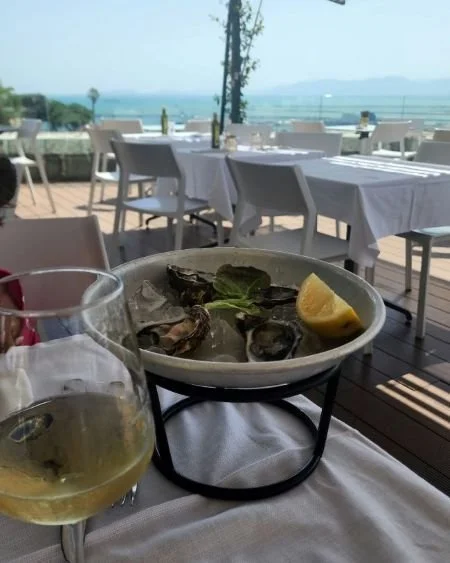
Where to eat in Sardinia
From fresh seafood by the water to hearty dishes in mountain villages, Sardinian food is all about local ingredients, traditional recipes, and the flavors of each region. Whether you’re looking for a casual lunch or a special dinner, here are some places worth adding to your list.
Northern Sardinia
La Colti Farmhouse: Set in a beautifully restored farmhouse in the countryside near Cannigione, this is a great place to try traditional Gallurese cooking. The menu is built around hearty local dishes and family recipes.
Capogiro: Located right by the water in Palau, Capogiro takes a fresh, modern approach to Sardinian cuisine. Expect seasonal ingredients, beautifully presented dishes, and a thoughtfully selected Sardinian wine list.
Frades La Terrazza: In Porto Cervo, this restaurant brings traditional Sardinian flavors into a more contemporary setting. Many of the cheeses and cured meats come directly from the owners’ family farm, adding a genuine local touch.
ConFusion: Chef Italo Bassi’s Michelin-starred restaurant in Porto Cervo offers an intimate dining experience centered around creative tasting menus. Expect inventive combinations, interesting textures, and dishes that feel as much like art as food.
Rocca Beach Restaurant: Located right on the beach in Baja Sardinia, Rocca is a great spot for a relaxed lunch or sunset dinner. Order the catch of the day, pair it with something from the wine list, and stay for a sunset spritz.
Spazio by Franco Pepe: Located beside the pool at 7Pines Resort, this relaxed open-air restaurant serves pizzas by renowned pizzaiolo Franco Pepe. His creations have also been featured on Netflix’s Chef’s Table: Pizza, making this a fun stop for pizza lovers.
Mountain Region
The Nest of Bread: Located at Su Gologone Experience Hotel, this charming open-air space celebrates one of Sardinia’s oldest culinary traditions: breadmaking. It’s a great place to learn more about the island’s traditional breads and the culture behind them.
Ristorante Sas Benas: Housed in a 19th-century inn, Sas Benas combines traditional Sardinian cuisine with a warm, old-world atmosphere. It’s the kind of place where the setting is almost as memorable as the meal.
Ristorante Monti Blu: Located inside a historic building in Nuoro, this cozy restaurant takes a modern approach to seasonal Sardinian cooking. The menu is intentionally focused, with local ingredients and a strong selection of wines.
Ristorante Il Rifugio: Just off the mountain roads, this rustic restaurant offers a more relaxed take on Sardinian dining. Expect handmade pasta, wood-fired meats, and beautiful views stretching toward the coast.
Southern Sardinia
CUCINA.eat: Part wine bar, part casual bistro, CUCINA.eat is a great option for a relaxed meal in Cagliari. The menu changes regularly and focuses on local ingredients with a creative, minimalist approach.
Luigi Pomata: A favorite among locals and food lovers, Luigi Pomata offers a more refined take on Sardinian cuisine. The tasting menu puts a creative spin on traditional island flavors while highlighting fresh, seasonal ingredients.
Josto: This stylish and intimate restaurant in Cagliari is known for its creative tasting menus. Local produce, wild herbs, and bold flavors take center stage, making it a good choice for a more memorable dinner.
Sa Domu Sarda: For a taste of traditional Sardinian cooking, Sa Domu Sarda is a great choice. The rustic setting and home-style dishes give it the feeling of enjoying dinner in a Sardinian country house.
Kremet: This bright, contemporary café in Cagliari is a good stop for something sweet. Look for creative pastries, artisanal gelato, and modern versions of traditional Sardinian desserts.
ChiaroScuro di Marina Ravarotto: Chef Marina Ravarotto brings a lighter, contemporary approach to traditional Sardinian flavors at this intimate Cagliari restaurant. It’s a lovely option for those who want to experience local cuisine with a modern twist.
Libarium: Located in Cagliari’s historic Castello district, it is known for its beautiful panoramic terrace overlooking the Gulf of Angels and the city rooftops. It’s a lovely spot for sunset drinks, an aperitivo, or a relaxed meal with a view.
Day trips from Sardinia
Sardinia isn’t really a place for rushed day trips — and that’s part of its charm. But if you’re up for a little adventure or want to explore beyond the island, there are a few nearby escapes that are well worth adding to your itinerary.
La Maddalena Archipelago (about 30 minutes by boat from Palau): A protected group of islands known for turquoise coves, dramatic granite formations, and secluded beaches. It’s perfect for a private boat day, with plenty of opportunities to swim, snorkel, stop for a seaside picnic, and simply enjoy the scenery.
Corsica, France (about 1 hour by ferry from Santa Teresa Gallura): Cross the Strait of Bonifacio to reach Bonifacio, a stunning clifftop town with medieval streets, historic buildings, and beautiful coastal views. With its mix of French and Italian influences, Corsica feels distinctly different from Sardinia while still having that Mediterranean charm. It works well as a long day trip, although staying overnight gives you more time to explore at a relaxed pace.
Trips to add on
It’s easy to pair Sardinia with another destination if you want to add more culture, city life, or mountain scenery to your trip. These combinations work especially well if you have a little extra time and want to experience a different side of Italy or Europe.
Rome (about 1 hour by flight): A classic stop before or after Sardinia. Spend a few days exploring ancient landmarks, wandering through cobblestone streets, enjoying long Italian lunches, and taking in the energy of one of Europe’s most iconic cities.
Lake Como (about 1.5 hours by flight to Milan + 1 hour by car): If you love being by the water but want a change from the beach, Lake Como adds a completely different setting. Think Alpine scenery, elegant villas, charming lakeside towns, and a quieter, more refined atmosphere.
The French Riviera (about 1.5–2 hours by flight to Nice): Add a few days along the French Riviera for colorful coastal towns, scenic walks, beautiful beaches, and plenty of opportunities for dining with a view. It’s an easy way to combine Sardinia’s laid-back Mediterranean feel with a more polished Riviera atmosphere.
The Amalfi Coast (about 1 hour by flight to Naples + 1–2 hours by car): For those who love dramatic scenery, the Amalfi Coast is an iconic addition. Spend a few days in Positano, Amalfi, or Ravello, with cliffside hotels, winding streets, and incredible views around every corner.
Paris (about 2 hours by flight): If you want to add a little city energy to your Mediterranean escape, Paris is a great contrast. Spend a few days exploring museums, strolling through beautiful neighborhoods, browsing boutiques, and enjoying the city before returning to Sardinia’s slower pace.
Cruising to and around Sardinia
Some of Sardinia’s most beautiful spots are only accessible from the water — secluded coves, colorful harbors, and dramatic cliffs that you simply can’t reach by car. That’s what makes exploring the island by boat so special. You can slow down, enjoy the scenery, and discover hidden corners without constantly packing and unpacking.
Sardinia is often included as part of a larger Mediterranean cruise, with stops in Olbia, ideal for exploring the polished Costa Smeralda; Cagliari, for a taste of southern Sardinia and the energy of the capital; or Porto Torres, a quieter option with a more local feel.
Many itineraries also combine Sardinia with Corsica, Sicily, the Amalfi Coast, or the French Riviera, making it easy to experience several Mediterranean destinations in one trip.
For more flexibility and privacy, a private yacht is an excellent way to explore. You can create your own itinerary, have a dedicated crew looking after you, and reach secluded spots that larger boats simply can’t access — including the beautiful La Maddalena Archipelago.
Notable cruise lines
Silversea: Silversea offers an intimate, ultra-luxury cruising experience, with smaller ships, butler service, personalized attention, and thoughtfully designed shore excursions. Its itineraries combine well-known destinations with more remote ports, making it a great choice for travelers who want to explore deeper while enjoying a quieter onboard experience.
Explora Journeys: Explora Journeys brings a fresh, contemporary approach to luxury cruising. The ships feature sleek design, spacious suites, wellness-focused experiences, and a more relaxed approach to travel. It’s a good fit for travelers who want high-end comfort without the traditional formality often associated with luxury cruises.
Seabourn: Seabourn combines the feel of a private yacht with the comforts of a luxury cruise. Its smaller ships feature all-suite accommodations, personalized service, and a relaxed atmosphere. It’s particularly appealing to experienced travelers looking for excellent dining, cultural experiences, and a more intimate onboard setting.
Regent Seven Seas Cruises: Regent offers an all-inclusive luxury experience designed to make everything feel effortless. Depending on the sailing, fares can include round-trip airfare, gourmet dining, shore excursions, and gratuities, so there’s less to organize once you’re onboard. It’s a great option for travelers who value convenience, comfort, and a truly seamless experience.
When you book through me, you may receive exclusive Fora VIP partner perks: Exclusive perks are available and vary depending on the sailing.
If not Sardinia…where to go?
If you love Sardinia for its beautiful coastline, relaxed pace, and natural scenery but want to experience something different, these destinations offer a similar appeal, each with its own personality.
Mallorca, Spain: A great mix of beautiful beaches, stylish beach clubs, charming hilltop towns, and excellent restaurants. It’s generally livelier than Sardinia, but you can still find plenty of quiet places to slow down and relax.
The Canary Islands, Spain: Each island has its own personality, from volcanic landscapes and black-sand beaches to scenic hiking trails and upscale resorts. They’re also a great option if you’re looking for a warm-weather escape outside the traditional Mediterranean summer season.
Madeira, Portugal: Lush, mountainous, and surrounded by dramatic ocean views, Madeira is more about exploring than spending the day on the beach. It’s a great choice for scenic hikes, charming towns, and enjoying the island’s incredible landscapes.
The Azores, Portugal: Remote, peaceful, and wonderfully wild, the Azores are ideal for travelers who love nature and outdoor experiences. Think volcanic landscapes, crater lakes, geothermal hot springs, and whale-watching excursions.
Crete, Greece: Greece’s largest island combines beautiful beaches with ancient ruins, mountain villages, and family-run tavernas. It’s an easy place to explore at your own pace, especially by car, with scenic roads and plenty of opportunities to stop along the way.
